Workshops
Events

Spiders with Microscopes
World Museum William Brown Street, Liverpool, England, United KingdomThis course is aimed at introducing people to the techniques of identifying British spiders under the microscope. There are over 670 different species of spiders in the Britain and at least 500 of these can... Read more »
Free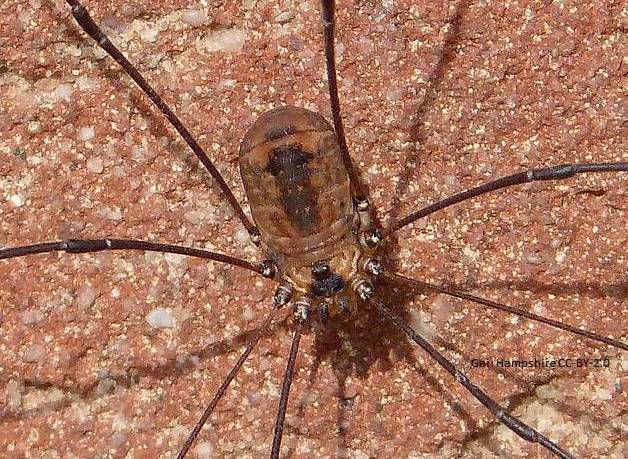
Field Identification of Spiders and Harvestmen
Rixton Claypits Nature Reserve Moat Lane, Rixton, Cheshire, United KingdomThis course will introduce you to identifying some of the many UK spiders and harvestmen that are distinctive enough to be confidently recorded in the field with the aid a simple piece of kit called a spi-pot,... Read more »
Free
Field Identification of Craneflies
Rixton Claypits Nature Reserve Moat Lane, Rixton, Cheshire, United KingdomTutored by Natural England's Pete Boardman, this workshop will introduce you to the identification of live craneflies in the field at Rixton Claypits Nature Reserve. This workshop will involve some light walking as we look for... Read more »
Free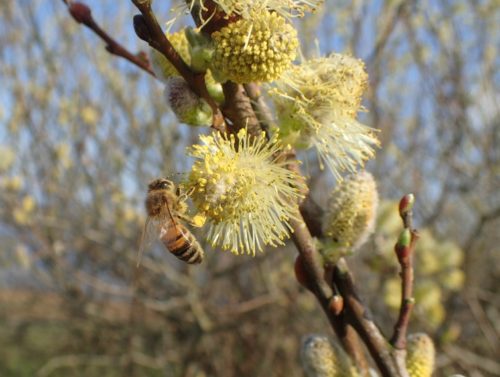
An Introduction to Bee Identification
Ness Gardens Ness Botanical Gardens, Ness, Cheshire, United KingdomYou might be surprised to learn there are around 270 species of bees in the UK. Honey bees, bumblebees, masonary bees and mining bees are just one small part of a big family of fascinating... Read more »
Free
Dragonfly and Damselfly Identification
Rixton Claypits Nature Reserve Moat Lane, Rixton, Cheshire, United KingdomWorld Museum's Tony Parker is our tutor of this 2-day workshop at Rixton Claypits Nature Reserve where we will cover the identification of dragonflies and damselflies as adults and larvae, as well as from the... Read more »
Free
Shieldbug, Grasshopper and Cricket Field Identification
Ainsdale Discovery Centre Southport, Merseyside, United KingdomOur tutor for the day, Phil Smith, will introduce you to some of the shieldbugs, grasshoppers and crickets that can be identified on the Sefton Coast. The adults of these small groups of UK insects... Read more »
Free
An Introduction to Mite Identification
World Museum William Brown Street, Liverpool, England, United KingdomMites (Acari) are one of the most diverse and abundant groups of invertebrates on earth and have an important role in ecosystem functions. Despite this, they are often ignored by biological recorders and conservationists. However,... Read more »

An Introduction to the Identification of Mosquitoes (Culicidae)
Rixton Claypits Nature Reserve Moat Lane, Rixton, Cheshire, United KingdomJoin Edge Hill's University's Thom Dallimore at this diverse nature reserve to learn about identifying and recording Mosquitoes. We'll be using microscopes in the visitor centre as well as seeing what can be found around... Read more »
Free
Field Identification of Plant Galls
Eastham Country Park Birkenhead, Cheshire, United KingdomWhat causes the strange growth forms on plants that we call galls? Join Steve Cross, President of Liverpool Botanical Society, for a close look at these fascinating growths. Suitable for beginners as well as those... Read more »
Free
Plant Gall Identification with Microscopes
World Museum William Brown Street, Liverpool, England, United KingdomWhat causes the strange growth forms on plants that we call galls? Join Steve Cross, President of Liverpool Botanical Society, for a look at these fascinating growths under the microscope at World Museum. Suitable for... Read more »
Free
Sepsid Fly Identification
World Museum William Brown Street, Liverpool, England, United KingdomMany members of the Sepsid flies are small and ant-like owing to their glossy black and ‘waisted’ appearance. Most are associated with dung but also other decaying organic matter. In Britain, Sepsidae are a small... Read more »
Free
Cranefly Identification with Microscopes
World Museum William Brown Street, Liverpool, England, United KingdomTutored by Pete Boardman, this workshop will introduce you to the identifying craneflies using draft keys due to be published in a forthcoming British cranefly book. You will be working with set museum specimens and microscopes,... Read more »
Free
An Introduction to Moth Dissection
Leighton Moss Storrs Lane, Carnforth, United KingdomLepidoptera are the best recorded order of insects in the UK with 10s of millions of records collated since 1800s. However, some of >2500 species are cryptic of terms of differences and can only be... Read more »
Free
An Introduction to Earthworm Identification
Holly Bank House Holly Bank House, Poole Lane, Thornton-Le-Moors, Cheshire, United KingdomThis is a joint event with Cheshire Wildlife Trust. Earthworms are one of the most under recorded invertebrate groups in the UK, despite their importance for soil health. In fact, we don't know anyone in... Read more »
Free
Money Spider (Linyphiidae) Identification
World Museum William Brown Street, Liverpool, England, United KingdomRichard Gallon from the British Arachnological Society will lead an identification course on the British money spiders (Linyphiidae). Focusing on some easily identifiable species, you’ll get to hone your ID skills on a range of... Read more »
Free
Springtails: Advanced Identification
World Museum William Brown Street, Liverpool, England, United KingdomAn advanced course tutored by National Scheme Organiser, Peter Shaw, for those already familar with using Hopkins (2007) key to the Springtail of Britain and Ireland. This day course will cover some of the more... Read more »
Free
Bee Identification with Steven Falk
World Museum William Brown Street, Liverpool, England, United KingdomA 2-day workshop providing an exciting opportunity to practice identifying British bees under the microscope with Steven Falk, author of the the 2015 Field Guide to the Bees of Great Britain and Ireland. The course... Read more »
£15
An Introduction to the Identification of Leafhoppers and Allies
World Museum William Brown Street, Liverpool, England, United KingdomLeafhoppers, planthoppers, froghoppers, treehoppers and cicadas (Auchenorrhyncha) are a fascinating group of true bugs with over 400 species recorded in Britain and Ireland. However, despite a number of brightly coloured and distinctive species, they are... Read more »
Free
An Introduction to the Identification of Weevils
World Museum William Brown Street, Liverpool, England, United KingdomWeevils (Curculionoidea) are the second largest beetle group in the UK after the Rove Beetles with c.630 species. Many are brightly coloured or unusually shaped but the group is often perceived to be ‘difficult’ to... Read more »
Free
British Nomad Bees
World Museum William Brown Street, Liverpool, England, United KingdomFind out about the biology and ecology of the Nomada cuckoo bees. Learn how to identify them using identification keys and museum specimens.
Free